
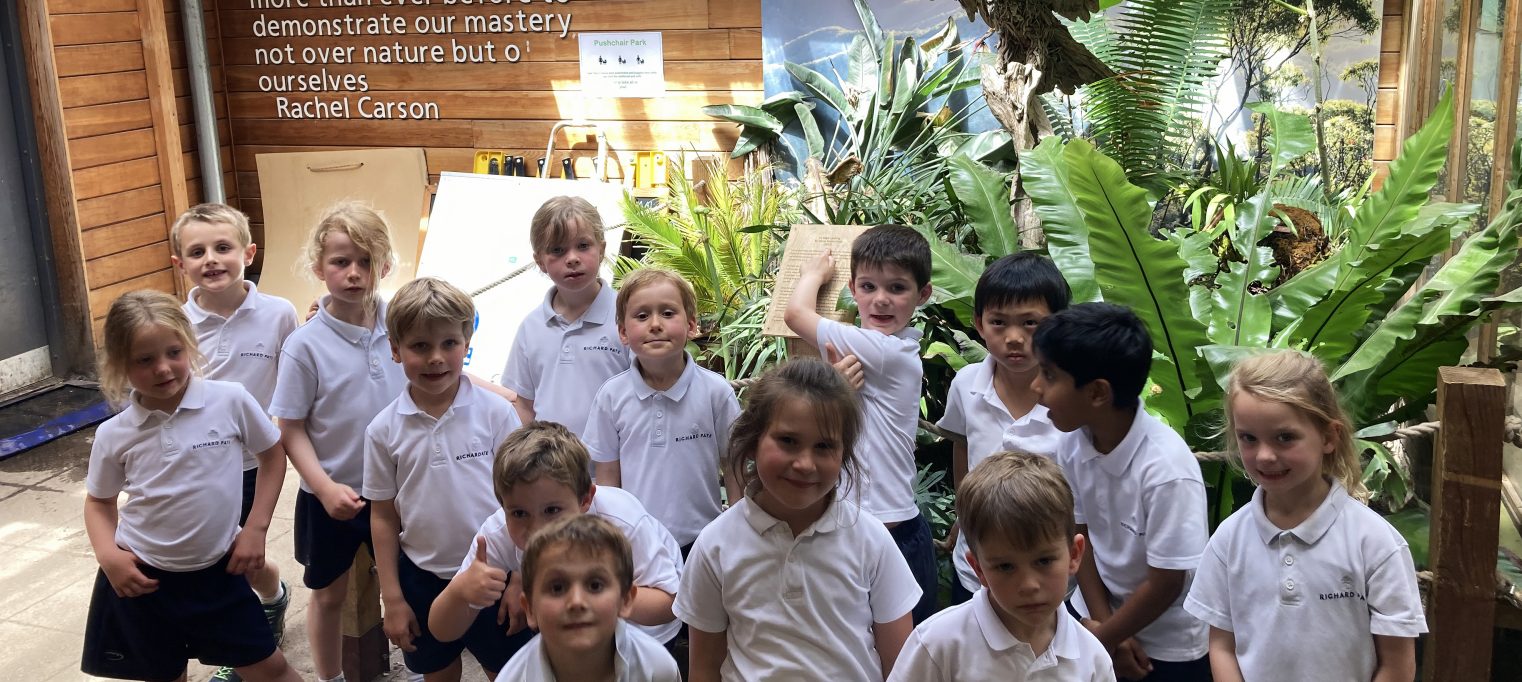

Curiosity is the spark that ignites a lifelong love of learning. When children are encouraged to ask questions, investigate the world around them, and test their ideas, they develop critical thinking skills and a deeper understanding of how the world works. Fostering this scientific curiosity from a young age can set children on a path to becoming thoughtful, innovative, and confident problem-solvers.
Nurturing a Questioning Mindset
The first step in raising curious thinkers is to cultivate a questioning mindset. Children naturally ask “why” and “how” questions, and responding to these inquiries with encouragement rather than simple answers is key. Instead of providing a direct solution, try asking follow-up questions: “What do you think will happen if…?” or “How could we test that?” This approach helps children learn to reason, hypothesise, and explore multiple possibilities. It also demonstrates that science is not just about facts—it’s about thinking critically and making connections.
Hands-On Exploration
Practical, hands-on experiences are crucial in nurturing scientific curiosity. Simple experiments at home, such as observing plant growth, creating a volcano with baking soda and vinegar, or experimenting with magnets, can spark a child’s interest in science. Outdoor activities like exploring local wildlife, stargazing, or collecting rocks and leaves for investigation allow children to interact directly with the natural world. These experiences not only teach scientific concepts but also encourage observation, analysis, and experimentation—the core skills of a scientific thinker.
Encouraging Creativity and Problem-Solving
Scientific exploration is closely linked to creativity. Encouraging children to design their own experiments, invent new solutions, or ask “what if” questions fosters imaginative thinking alongside analytical reasoning. Problem-solving activities, such as building structures with blocks or designing simple machines, help children apply scientific principles in practical ways. This combination of creativity and logic nurtures a flexible mindset, which is essential for tackling complex problems in the future.
Making Science Part of Everyday Life
Science doesn’t need to be confined to the classroom. Everyday activities can provide countless opportunities for exploration. Cooking, for example, introduces concepts like chemical reactions, measurement, and temperature control. Gardening teaches about ecosystems, weather patterns, and biology. Even shopping or budgeting can introduce ideas about data, patterns, and probability. By integrating science into daily routines, children learn that the world is full of mysteries waiting to be explored.
Supporting Curiosity with Encouragement
Finally, supporting a child’s curiosity requires patience and encouragement. Celebrate their questions, experiments, and discoveries, even if they don’t always produce the expected results. Mistakes and unexpected outcomes are fundamental to scientific learning—they teach resilience, adaptability, and persistence. By showing that exploration is valued, parents and educators help children build confidence in their abilities and a lasting passion for learning.
Inspiring curious, scientific minds is about more than teaching facts—it’s about fostering a love of discovery, encouraging critical thinking, and providing opportunities for exploration. By nurturing these qualities from an early age, we give children the tools to become inquisitive, innovative, and thoughtful thinkers, ready to navigate and shape the world around them.