
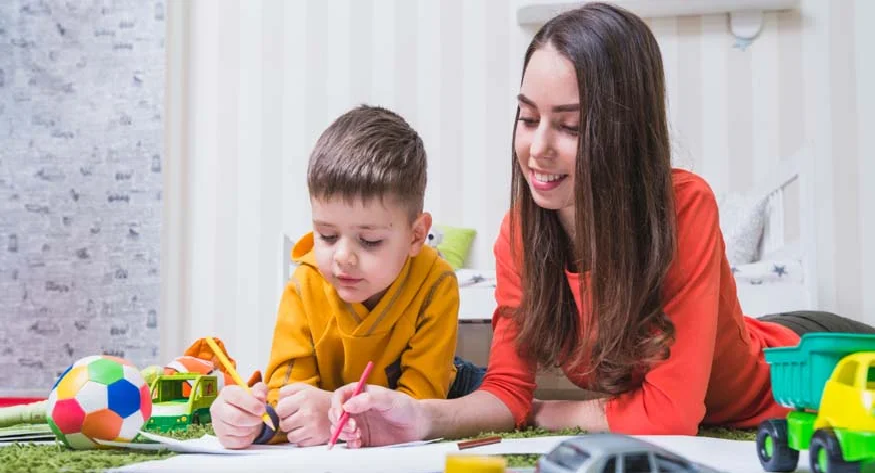

Being actively involved in your child’s education can make a significant difference to their learning, confidence, and overall development. However, with busy schedules and the demands of everyday life, many parents struggle to find the best ways to engage. Here are practical tips to help you become more involved and support your child’s educational journey.
Attend School Events and Meetings
One of the simplest ways to show your support is by attending school events, parent-teacher meetings, and workshops. These gatherings provide a valuable insight into your child’s progress and the teaching methods being used. They also allow you to establish a positive relationship with teachers, which can help you better understand your child’s strengths and areas that may need extra support.
Create a Supportive Learning Environment at Home
A home environment that encourages learning is crucial. Set aside a quiet, well-lit space for homework and study, free from distractions. Providing the right resources, such as books, stationery, and educational tools, can make a big difference. Additionally, showing interest in your child’s assignments and projects by discussing topics or helping with research can foster curiosity and a love of learning.
Establish a Routine
Children thrive on routine. Establishing consistent study times and daily reading habits helps reinforce the importance of education. Regular routines can also reduce stress and procrastination, making it easier for your child to stay organised and focused. Remember to balance structured study time with breaks and recreational activities, as this promotes overall wellbeing and prevents burnout.
Communicate Regularly
Keeping an open line of communication with your child is essential. Ask about their day, what they’ve learned, and any challenges they face at school. Listen actively and offer guidance without judgement. Encouraging your child to express their thoughts and concerns builds trust and helps you understand how best to support their learning journey.
Encourage Extracurricular Activities
Education is not confined to the classroom. Encourage your child to participate in extracurricular activities, such as sports, music, art, or clubs. These experiences develop skills like teamwork, creativity, and leadership, which complement academic learning. Attending performances, matches, or exhibitions also shows your child that you value their efforts and achievements outside of traditional academics.
Stay Informed and Engaged
Keep yourself informed about your child’s curriculum and the educational resources available. Many schools provide newsletters, websites, or online portals where parents can access homework schedules, lesson plans, and updates. By staying engaged, you can support your child’s learning at home and address any concerns promptly.
Lead by Example
Children often model their behaviour on that of their parents. Demonstrating your own love of learning, whether through reading, exploring new hobbies, or continuing professional development, sets a positive example. Showing curiosity and a willingness to learn inspires your child to adopt a similar mindset.
Being involved in your child’s education doesn’t mean doing everything for them; it means providing support, encouragement, and guidance. By taking these steps, you can foster a positive attitude towards learning and help your child achieve their full potential.