
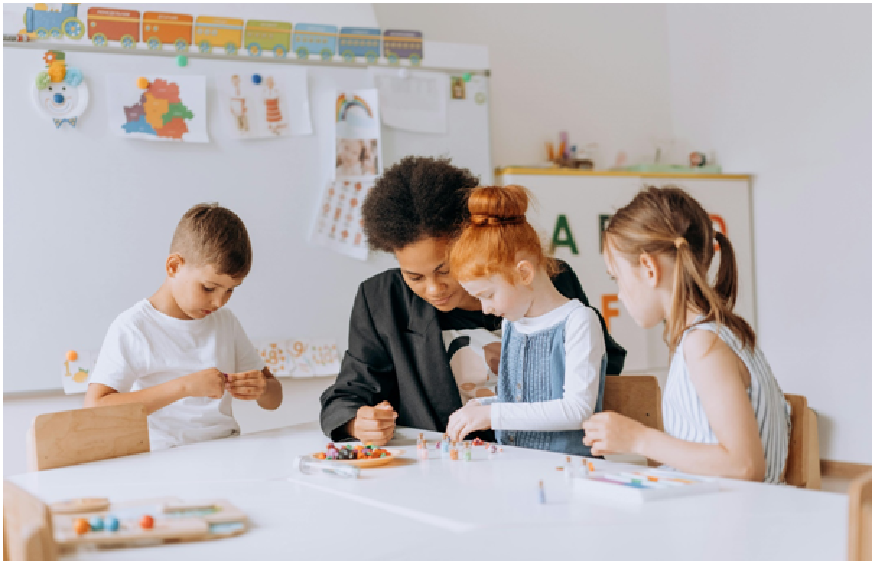

Education is often seen narrowly as academic achievement—grades, tests, and exam results. However, schools do far more than that. They shape who children become, how they understand the world, and how they engage with communities and values. From the moment a child enters school, teachers, peers, curriculum, and culture influence their character, attitudes, and worldview in profound ways. According to one authoritative overview, schools play a “critical social purpose … helping children develop values, attitudes, and perspectives.”
How School Culture Builds Character and Life Skills in Children
Here is how a strong school culture builds character and life skills by shaping daily habits, values, and meaningful interactions.
1. The School as a Character-Building Environment
A child’s values and behaviours are shaped not just at home, but through daily interactions at school. Schools provide a structured environment where children learn habits of responsibility, integrity, respect, and cooperation. Schools embed these lessons continuously, often more effectively than occasional lectures or workshops.
The significance of this cannot be overstated: character formation shapes not only immediate behaviour but long-term outcomes—how individuals relate to others, assume leadership, respond to challenges, and contribute to society.
2. Socialisation and Peer Influence
In addition to adult modelling (teachers, staff), a large part of a child’s perception of the world is formed through peer interaction. In school settings, children meet peers from diverse backgrounds, encounter new perspectives, and learn negotiation, collaboration, conflict resolution, and empathy. Schools thus become micro-societies where children learn to function as part of larger social systems.
When a school encourages inclusive behaviour, community service, or student voice, children start to perceive their role in society differently: not just as individuals who “get educated” but as citizens who contribute and engage. This transformation in perception often begins in well-designed school cultures. Research suggests that “a positive school culture … empowers students with resilience and confidence,” which impacts how they view themselves and the world around them.
3. Curriculum, Activities, and Worldview Formation
What children learn—academically and experientially—shapes their worldview. Beyond textbooks and exams, schools that offer comprehensive programmes including arts, sports, community work, and international exposure broaden students’ minds.
Schools that embed values of global citizenship, sustainability, social justice, and cultural awareness help students move beyond narrow local perspectives. In many cases, the school’s mission or culture drives these outcomes. A school that emphasises service learning, diversity, and ethics will foster children who perceive themselves as part of something bigger.
4. Teacher Influence and Professional Development
The role of teachers is central to shaping character and perception. Teachers are not simply content-deliverers—they are role models, facilitators of discussion, critical thinkers, and guides. When teachers demonstrate empathy, curiosity, collaboration, and open-mindedness, they help students adopt these traits.
This is why teacher preparation matters profoundly. Educators who engage in high-quality professional learning are better equipped to foster character and worldview in children. Many institutions now highlight programmes such as teacher training courses in Bangalore that prepare educators not just for curriculum delivery but for holistic child development. Strong professional development ensures teachers understand how to create inclusive classrooms, lead discussions on values, and provoke thoughtful reflection in students.
5. School Culture, Leadership, and Institutional Vision
Schools are more than classrooms. The institutional vision, leadership style, culture, norms, and physical environment all influence how students experience school and what they internalise.
One article emphasises that school culture and leadership play critical roles: “The culture of a school is defined by shared values, beliefs, and norms that shape the thinking, feeling, and behaviour of educators and administrators.” When students recognise they are part of a community that values empathy, integrity, and collaboration, their worldview shifts accordingly—seeing education as community building rather than just academic training.
6. Character Development Through Challenges and Reflection
Schools that encourage students to take on responsibilities—leadership roles, peer mentoring, community service, research projects—help them see themselves as active agents in shaping their classroom and community. Facing challenges, reflecting on them, and moving forward builds resilience, adaptability, and moral courage.
Reflection plays a key role. Schools that integrate reflection on learning, service experiences, or ethical dilemmas help children think about “Who am I? What do I stand for? How do I act in the world?” This deepens character and perception.
7. Parental and Community Partnerships
The influence of school extends beyond the campus when schools work in partnership with parents and the community. When parents, teachers, and community leaders are aligned in promoting values, children receive consistent messages about how to engage with the world.
Schools that integrate community service, local issues, or global topics help children realise their place and responsibility in the wider world.
8. Shaping Perception of the World
Schools, through curriculum, culture, peer interaction, and leadership, shape how students view the world’s problems, opportunities, and their role in it.
Children exposed to diverse perspectives, global issues, and community initiatives start to perceive that:
- The world is interconnected
- Ethical behaviour matters
- Diversity and difference are strengths
- Learning isn’t confined to classrooms
- They themselves can effect change
These perspectives matter deeply for their future as citizens, professionals, and human beings.
Practical Steps for Schools to Strengthen Character and Worldview
Here are clear, actionable steps schools can implement to nurture character development and expand students’ understanding of the world:
-
Embed Values In Daily Routines
Start daily with a reflection or community circle focusing on values such as empathy, respect, or resilience.
-
Use Interdisciplinary Projects
Integrate global issues, service learning, and student voice across subjects.
-
Create Diverse Groups And Peer Collaboration
Students working with peers from different backgrounds deepen their worldview.
-
Train Teachers Intentionally
Provide professional development that emphasises holistic child development, not just academic delivery.
-
Promote Student Leadership And Agency
Offer roles and responsibilities to students so they engage meaningfully in their school community.
-
Connect With Community And Global Projects
Link classroom learning to real-world service, global issues, or local community work.
-
Reflect And Articulate Learning
Use journals, discussions, or portfolios for students to reflect on what they are becoming—not just what they are learning.
Bottom Line
Schools have a profound role in shaping a child’s character and how they perceive the world. For educators and aspiring leaders, investing in ongoing professional training is essential to lead this transformation effectively. Whether you’re looking at online degree programs in Bangalore for school leadership or advanced modules for teacher educators, it’s clear that preparing adults to shape children’s character is a critical mission in education today.